Sporting development boosts real estate health
Discover how sports-led real estate developments are driving growth across Asia Pacific, from Olympic investments to stadium-led urban regeneration.
Real estate developments linked to sport are proving a driver for success across the Asia Pacific region.
Whether it is new stadia, Olympic preparations or simply the rising interest in sport and healthy lifestyles, real estate investors can benefit from taking an interest in sporting activity.
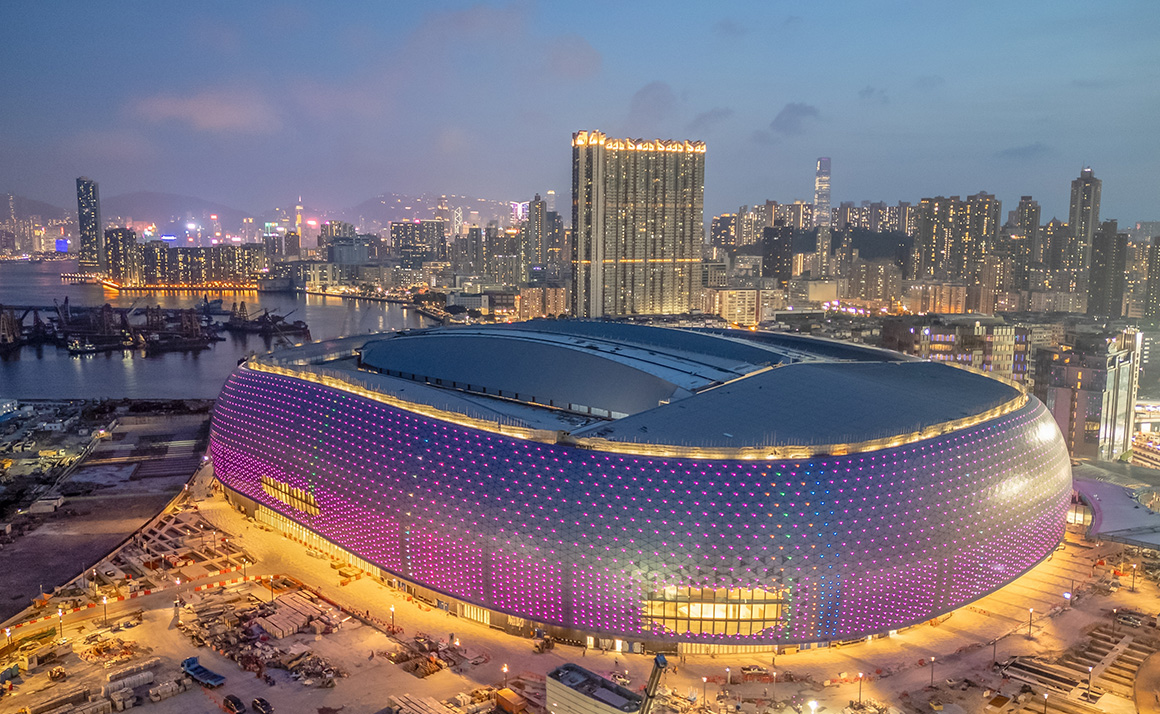
Hong Kong’s new Kai Tak stadium, pictured above, is part of a new sport district in Kowloon. Already, the venue has hosted a successful Hong Kong Sevens, a series of Coldplay concerts and a number of football matches featuring English Premier League teams. Sports and entertainment “mega-events” are part of the Hong Kong government’s plans for boosting the city’s economy and generated HK$3.3 billion ($424 million) in the first half of this year.
Simon Smith, Regional Head of Research & Consultancy at Savills Asia Pacific, says: “The stadium and the events it hosts will boost hotel occupancy and F& B spending close by, as well as the revenues from ticket sales. A modern stadium is a focus for economic activity and this will benefit the city’s real estate market.”
Brisbane hosts the Olympic and Paralympic Games in 2032 and the preparations are driving growth across all sectors, with A$7.1 billion ($4.7 billion) committed to Olympic venues and more than $12.4 billion ($8.2 billion) to transport and infrastructure upgrades planned or underway.
The Olympics isn’t just boosting demand for hospitality. Savills research shows Queensland will need at least 800,000 sq m of new industrial space by 2031 and could require more than 3 million sqm. This demand is being fuelled by changes in supply chains, rising warehousing needs, new job creation in construction and tourism and better transport connections across road, rail and ports.
Callum Stenson, State Director, Industrial & Logistics at Savills Queensland, says: “In a nutshell, these Olympics are acting as a launchpad for long-term growth across Queensland’s industrial landscape.”
In China, sport-related consumption is one of the fastest-growing parts of the economy. Last year, spending on sporting goods rose 11% last year and 25.4% year on year in the first quarter of this year. A number of international and homegrown brands, such as Anta, Adidas, Li Ning and Nike, have more than 5,000 stores nationwide.
Sports-related tenants are becoming more important. Savills data show that 10% of general retail space in China is accounted for by sports an outdoor brands, up 1.1 percentage points on 2024, while 17% of leisure and entertainments spac is now sports-related (up 50 basis points year on year).
Investment in sports and wellness is also supported by government policy. China’s is implementing a National Fitness plan aimed at increasing the number of regular exercisers. In September, the National Development and Reform Commission announced plans to more than double sport industry revenues to RMB7 trillion (US$983 billion) by 2030.
Further reading:
Fuelled by Motion: China’s Sports Retail Scene
Contact us:
Simon Smith
Related articles